What Is Considered an Anion Gap Calculator Used For
An anion gap calculator helps to interpret blood test results by calculating the difference between measured electrolytes in the blood. Its main purpose is to assist with evaluation of acid-base balance and enable clinicians detect patterns that may suggest an underlying acid-base disorder. Rather than replacing clinical judgment, it serves as a practical diagnostic tool that helps understand lab results and directs next steps in the workup.
The anion gap itself is not something directly measured in the body. It is a calculated value based on common serum electrolytes, especially sodium, chloride, and bicarbonate. Because some charged particles are not routinely measured, the gap can hint at the presence of undetected anions or other metabolic changes. That makes it especially useful in assessing metabolic acidosis and broader metabolic derangement.
How Anion Gap Calculator Assesses
An anion gap calculator measures an estimated value from standard blood test information. It uses the link between important electrolytes to assess whether the level of charged particles is within an expected normal range. This is why the tool is often included in the evaluation of a routine metabolic panel.
Put simply, the calculator reviews the primary measured cations and anions in the blood, especially sodium, chloride, and bicarbonate. When the result is above normal or reduced than expected, it can signal that something is affecting the body’s acid-base balance. Clinicians rely on that information to sharpen the differential diagnosis and decide whether additional testing is needed.
For patients, the value of the calculator is not in the number alone, but in the clinical significance of that number. A result can back up or challenge a suspected diagnosis, help detect an electrolyte imbalance, and show whether the lab pattern matches a particular condition.
Why Clinicians Rely on It in Laboratory Interpretation
Clinicians often turn to the anion gap as part of a wider approach to lab interpretation. It helps clinicians determine whether abnormal lab results indicate a problem with acid accumulation, bicarbonate loss, or another metabolic issue. Because it is derived from routine tests, it delivers fast insight without requiring a special assay.
One of its biggest roles is assessing acid-base balance in patients who may have an acid-base disorder. When the value is abnormal, the clinician may suspect a hidden source of acid in the blood or a shift in measured ions. This makes the calculator a useful diagnostic tool when reviewing a metabolic panel in the context of symptoms, medications, and medical history.
The calculator also helps clinicians decide whether the pattern is in line with common causes of metabolic acidosis. It does not diagnose the cause by itself, but it can point the evaluation in the right direction. That is especially important when the presentation suggests an urgent metabolic derangement that needs prompt attention.
In What Way the Anion Gap Is Calculated
The anion gap is determined from serum electrolytes, generally by using sodium, chloride, and bicarbonate. A common formula is:
Anion gap = sodium − (chloride + bicarbonate)
Some tools may use slightly different formulas depending on the laboratory method or whether potassium is included. That is why a result should always be interpreted in the context of the specific laboratory’s reference standards and the overall clinical picture.
The importance of this calculation is that blood contains measured ions and also undetected anions that are not directly reported on standard panels. The gap gives an estimate of the difference between measured positive and negative charges. Variations in that difference can reveal important clues about illness, especially when reviewing serum sodium, serum chloride, and serum bicarbonate together.
As the calculation depends on the exact lab values, even small shifts in the numbers can affect the result. For that reason context matters so much in interpretation.
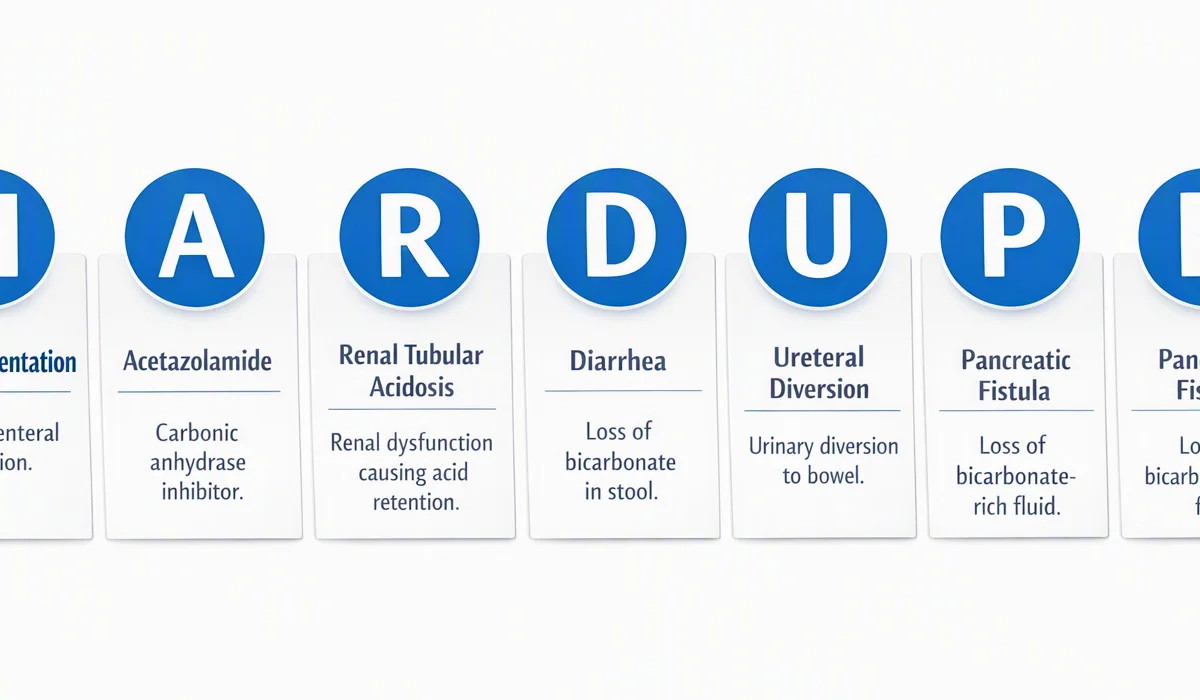
What an elevated anion gap Can Suggest
A elevated anion gap often suggests that acids or unmeasured substances are piling up in the blood. It is a classic clue in metabolic acid buildup, where the body has too much acid or low bicarbonate. The result helps clinicians look for conditions that increase acid production or reduce acid clearance.
Common causes are elevated lactate and ketone accumulation. In elevated lactate, lactic acid increases when tissues are not getting enough oxygen or when metabolism is disrupted. In ketoacidosis, ketones build up, often in the setting of poorly controlled diabetes, fasting, or severe illness. Both can produce an elevated gap because they introduce acids that are not fully reflected in routine electrolyte measurements.
An elevated value can also appear in kidney disease, especially when waste products are not being cleared efficiently. The kidneys normally help maintain acid-base homeostasis, so impaired function can lead to acid retention and a changing electrolyte pattern. In these cases, the calculator is one piece of the overall picture, not the final answer.
When the high anion gap is surprising, clinicians may review symptoms, medications, and exposure history to determine the likely cause. The value helps focus the workup and may trigger repeat testing, blood gas analysis, or more focused studies.
How a Reduced Anion Gap Can Signal
A low anion gap is not as common, but it can still be medically important. A key reason is low albumin, since albumin is a negatively charged protein that contributes to the body’s normal charge balance. When albumin drops, the anion gap may drop even if no major acid-base problem is present.
Other conditions may also change lab interpretation. Some cases involve changes in measured ions, laboratory variation, or conditions that alter the distribution of charged particles in the blood. In a patient with kidney disease, for example, the full context of protein levels, medication use, and other lab values matters a great deal.
A low result should not be ignored automatically, but it should be interpreted carefully. In some cases it points to a real physiologic issue; other times it is related to method differences or sample factors. Clinicians look at the entire pattern rather than the isolated number.
Frequent Causes Clinicians Consider
If the anion gap is off, doctors use it as part of a differential diagnosis. One major concern is renal failure, which can impair the body’s ability to remove acids and keep normal chemistry. This can lead to a high gap and may also occur alongside other abnormalities on the metabolic panel.
Another important consideration is toxic ingestion. Some substances can create an elevated gap by producing acids or interfering with metabolism. In these situations, the calculator can be an early clue that the problem is not a routine electrolyte disturbance but a more serious toxicologic issue.
Clinicians may also consider the chloride shift, which refers to changes in chloride movement that can alter measured values and affect the calculated gap. This is one reason why the same lab results should be interpreted alongside symptoms, blood gas findings, and other laboratory values.
The key point is that an abnormal number does not equal a diagnosis. It is a signal that the clinician should look deeper into the cause of the electrolyte imbalance or metabolic derangement.
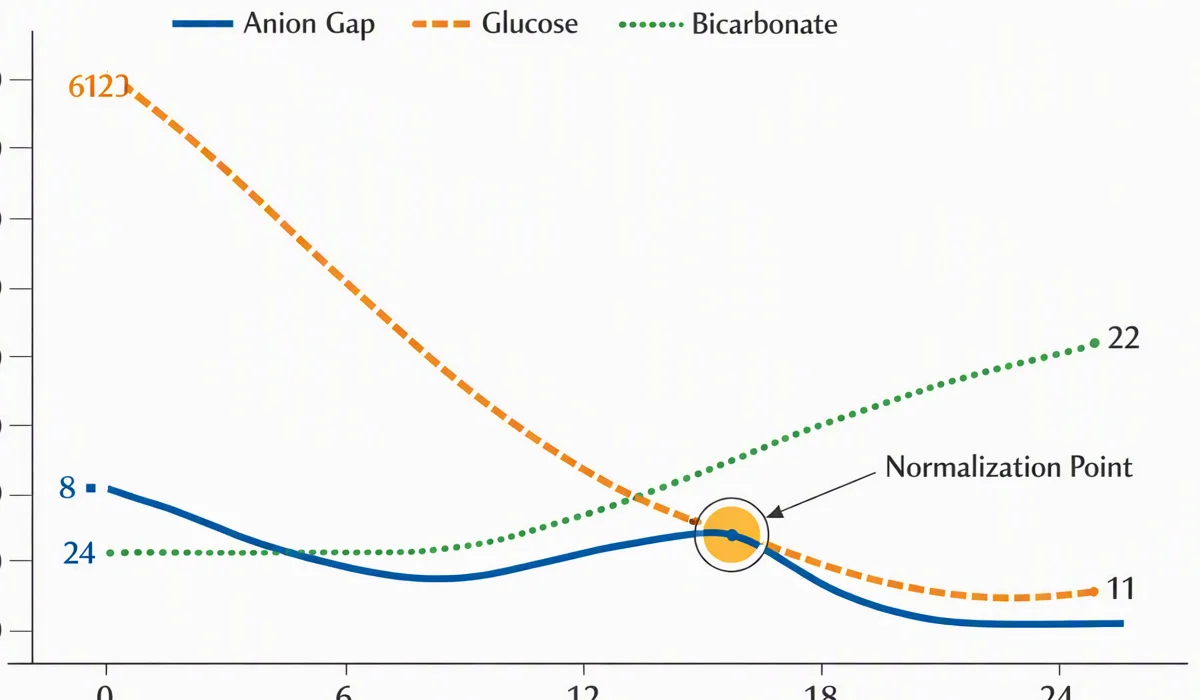
When a Corrected Anion Gap Is Necessary
A corrected anion gap is relied on when a patient has low albumin, because the uncorrected value may fail to reflect the true acid burden. This albumin-corrected approach can make the result more accurate and improve clinical significance in the setting of illness, chronic disease, or poor nutrition.
Using a correction can help place the result back into the appropriate normal range for interpretation. That matters because a seemingly normal gap may actually hide an acid-base problem if albumin is reduced. In other words, the corrected calculation helps the clinician avoid missing important pathology.
Correction is especially helpful when reviewing a patient with suspected metabolic acidosis, kidney disease, or another condition that could alter protein levels. A corrected value supports better judgment about https://anion-gap-results937.wordcanopy.com/posts/understanding-delta-gap-with-an-anion-gap-calculator whether the observed abnormality reflects a real acid-base issue or a shift caused by low albumin.
Limitations of Anion Gap Calculation
Even though an anion gap calculator is useful, it has constraints. It depends on accurate lab values, and small analytical differences can change the result. This means the number alone should never override clinical context or broader interpretation.
Another limitation is that not every electrolyte imbalance causes a clear change in the gap. Some disorders can look normal early on, while others may create an abnormal result that is not due to dangerous acid buildup. The calculator is a clue, not a complete assessment.
There can also be variation between laboratories and testing methods. For that reason, the same patient may have slightly different values depending on the setting. Clinicians focus on trends, symptoms, and the rest of the blood test rather than on one isolated number.
That is why the anion gap is best viewed as part of a larger clinical picture. It helps identify patterns, but it does not replace thoughtful medical evaluation.
Frequently asked questions: Anion Gap Calculator Questions
What is an anion gap calculator used for?
An anion gap calculator is used to help calculate anion gap values from a blood test and interpret whether the result suggests an acid-base problem. Clinicians use it to assess acid-base balance, support evaluation of metabolic acidosis, and recognize patterns that may point to an underlying cause of abnormal lab results.
Can a high anion gap always mean a serious problem?
No. A high anion gap can be associated with serious conditions, but it does not always mean an emergency. It may reflect lactic acidosis, ketoacidosis, kidney disease, or another cause of metabolic derangement. The result must be interpreted with symptoms, other laboratory values, and the overall clinical situation.
What’s considered a normal anion gap range?
The normal range can vary by laboratory method and reference standards. Because different labs may use different measurement techniques, the exact range should be checked with the specific test report. A clinician will interpret the result using the lab’s reference interval and the rest of the metabolic panel.
Why would an anion gap be low?
A low anion gap can happen when albumin is low, when there are changes in measured ions, or when lab variation affects the result. It can also appear in certain medical conditions, including some cases involving kidney disease. Careful lab interpretation is important because a low value may be meaningful or may simply reflect testing factors.
Is albumin correction when using an anion gap calculator?
Albumin correction is often helpful when albumin is low, because an uncorrected result may underestimate the true acid burden. A corrected anion gap or albumin-corrected calculation can improve clinical significance and make the interpretation more accurate, especially when evaluating metabolic acidosis or other complex acid-base disorder patterns.