What Does Anion Gap Mean in Chemistry?
What means the anion gap?
The anion gap is a biochemical concept used to show the variation between the main positively charged particles and negative particles measured in a blood test. In practice, it helps explain whether the electrolytes in serum appear balanced in a way that supports electrical neutrality. Even though the body must stay electrically neutral overall, routine laboratory measurements do not capture every charged particle. That is why the anion gap exists as a useful estimate.
In simple terms, the anion gap is a computed result from blood chemistry, not a directly measured one. It compares sodium, chloride, and bicarbonate to estimate the amount of unmeasured anions present in the sample. Because it reflects a difference in measured ions, the anion gap often acts as a diagnostic clue in chemistry and lab interpretation.
This value is especially important in understanding acid-base balance. When a person has an acid-base disorder, the anion gap can help identify whether a metabolic acidosis is present and whether the cause may involve excess acids or other changes in serum levels. For that reason, the anion gap is one of the most familiar concepts in electrolyte panel analysis and broader chemistry interpretation.
How an anion gap calculator works
An anion gap calculator is a tool that performs the calculation on its own using the values from a laboratory test. It typically uses the measured values for sodium, chloride, and bicarbonate from an electrolyte panel. The calculator does not determine a condition by itself, but it makes result analysis more efficient and lowers the chance of arithmetic errors.
The basic idea is simple: the calculator takes the serum measurements and finds the difference between major cations and anions. That difference is the anion gap. If the result appears outside the expected normal range, the calculator may serve to flag an abnormal result that deserves closer clinical interpretation.
Many calculators also support albumin-adjusted calculation. This matters because albumin is a major unmeasured anion in serum. If albumin is low, the anion gap may appear artificially low even when other chemistry is unchanged. In those cases, the calculator may make a correction to improve comparison with the expected reference interval.
So, an anion gap calculator is best understood as a measurement aid. It transforms routine laboratory test data into a useful comparison that can help with chemistry review, but it still depends on context from the full blood test and the person’s overall situation.
What is the formula for determining anion gap?
The anion gap formula is usually stated using serum sodium, serum chloride, and serum bicarbonate. The most common version is:
Anion gap = serum sodium - (serum chloride + serum bicarbonate)
Some laboratories use different methods or include potassium, but the sodium-based formula is the standard in routine chemistry. Because of this variation, the exact reference interval may vary between labs. That is why lab values should always be read using the method attached to the specific report.
Here is the reasoning behind the calculation:
- Sodium represents the main measured positive ion in the blood.
- Chloride and bicarbonate serve as the main measured negative ions included in the calculation.
- The difference between them estimates the presence of unmeasured anions.
Because the calculation depends on a subtraction between measured ions, small changes in the numbers can change the result. This makes the formula valuable in chemistry, especially when reviewing electrolyte patterns in a blood test.
For example, if serum sodium is 140, serum chloride is 104, and serum bicarbonate is 24, the anion gap would be 140 - (104 + 24) = 12. That value might land within many common reference ranges, but the exact interpretation depends on the lab values, the laboratory method, and the clinical context.
What is a normal anion gap?
The normal range for anion gap depends on the lab technique and the reference range used by that lab. In many situations, a typical expected interval is around 8 to 12 or 10 to 16, but these numbers can vary. The important point is not to memorize one universal number, because different instruments and calculation methods can alter the expected result.
Albumin has a major role in the expected value. Since albumin is a negatively charged protein, lower albumin can reduce the anion gap. This means a patient with hypoalbuminemia may have a lower measured gap even if other lab values are otherwise stable. In chemistry and lab interpretation, albumin is one of the initial factors considered when the result seems unexpected.
Because of that, the normal range is best treated as a reference point rather than an absolute rule. A result should be checked against the lab’s reference interval, the person’s serum levels, and whether a correction is needed. In practical terms, the “normal” anion gap is the value that aligns with the lab’s methodology and the patient’s context, not just a generic textbook number.
If the value is outside the expected range, the next step is usually to identify a reason, rather than assume the number alone explains the problem. That is why result analysis in chemistry always includes review alongside the rest of the blood test and the broader clinical picture.
Why is the anion gap important in chemistry?
The anion gap matters because it offers insight into acid-base balance. Within chemistry, it is a helpful approach to detect whether extra acid may be present in the blood even when the routine electrolyte panel does not tell the full story. This makes it a valuable indicator in evaluating metabolic acidosis, one of the most important acid-base disorders seen in laboratory medicine.
The value is also important because it points toward unmeasured ions. Since not every charged particle is directly included in the standard blood test, the anion gap helps estimate what is missing from the measured set. That difference can provide a diagnostic clue when a person has an unusual chemistry pattern.
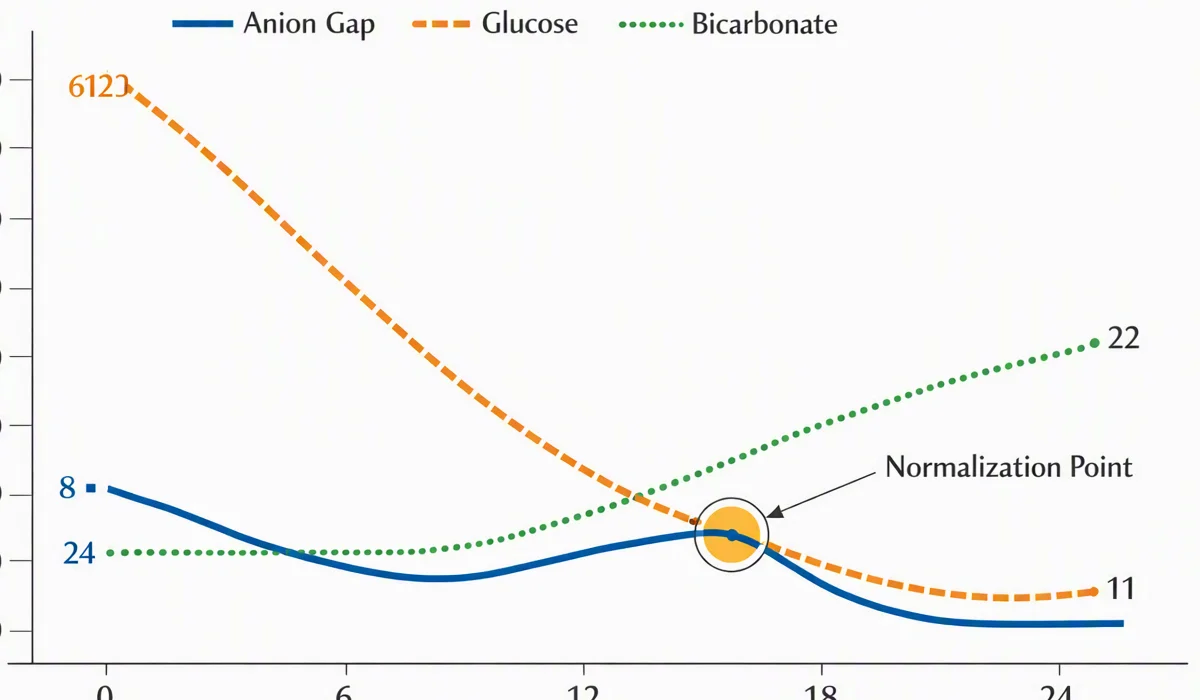
In clinical interpretation, the anion gap helps sharpen the list of possible causes of abnormal serum levels. A high value can suggest excess acids or toxin-related problems, while a low value may reflect low albumin or other measurement issues. That is why the anion gap is a practical link between chemistry and medical interpretation.
It is not a standalone diagnosis. Instead, it is a laboratory test result that guides comparison, strengthens reasoning, and helps clinicians and lab professionals interpret the broader pattern. In other words, it transforms a collection of electrolyte values into a meaningful chemical clue.
What causes a elevated anion gap?
A high anion gap usually means there are more unmeasured acids in the blood than expected. One common reason is lactic acidosis, where lactate builds up during inadequate oxygen delivery, shock, severe illness, or other body stress. Another important cause is ketoacidosis, which can occur when the body produces excess ketones, often in diabetes, starvation, or heavy alcohol use.
Poisonous alcohols are another major cause. Substances such as methanol, ethylene glycol, and similar compounds can create a dangerous high anion gap pattern because their metabolism produces acidic byproducts. In this setting, the anion gap may be a critical clue in urgent result analysis.
Other causes of a high anion gap can include kidney failure, severe dehydration, or other metabolic disorder states that increase acid load. Even so, the interpretation always depends on the full blood test and the symptoms present. A high result does not point to one cause by itself; it suggests that the chemistry pattern deserves follow-up.
When reviewing a high anion gap, it helps to think in terms of difference and measurement. The measured electrolytes do not account for all acids in the serum, so a widened gap indicates the presence of additional unmeasured anions. That is why the result is often described as an important diagnostic clue rather than a final answer.
What leads to a reduced anion gap?
A decreased anion gap is not as common than a high value, but it can still deserve attention. A common cause is hypoalbuminemia, since albumin plays a major role in the pool of unmeasured anions. When albumin decreases, the calculated gap may also drop, even if the rest of the chemistry is relatively stable.
Lab error is another possible cause. Because the anion gap is a calculation based on sodium, chloride, and bicarbonate, any measurement issue in those values can affect the final result. That is why an unexpectedly low number should often be rechecked before making conclusions.
Paraproteins can also decrease the gap. Certain abnormal proteins may act like positively charged particles and alter the balance seen in the blood test. In some cases, this https://jsbin.com/hifevudiya leads to a lower-than-expected result that becomes important during clinical interpretation.
In uncommon cases, other factors such as unusual electrolyte shifts or analytical issues can contribute. The key point is that a low value is not automatically harmless. It may be a clue to protein changes, serum measurement issues, or a broader metabolic problem. As with a high result, the whole pattern matters more than the number alone.
How to read Anion Gap Calculator results
Understanding the Anion Gap Calculator opens with the electrolyte panel and the remainder of the blood test. The value should be checked with the laboratory’s reference range and considered alongside the person’s symptoms, medical history, and other serum levels. This is where clinical context becomes crucial.
If the result is above normal, the question becomes whether there is evidence of metabolic acidosis or another acid-base disorder. If the result is low, the next step may be to check albumin, repeat the test, or review for possible lab error. In both cases, the interpretation depends on the complete picture, not a single number.
Albumin correction can increase accuracy when albumin is low. Because hypoalbuminemia lowers the expected gap, an albumin-adjusted calculation may reveal a more realistic comparison with the lab’s reference interval. This kind of correction is helpful in result analysis because it lowers the risk of missing a clinically important abnormal result.
In practical terms, interpretation usually takes this sequence:
- Check the formula and method used by the lab.
- Assess the value with the lab’s normal range.
- Consider serum sodium, chloride, and bicarbonate together.
- Assess albumin and consider correction if needed.
- Rely on the overall clinical context to guide meaning.
This approach keeps the Anion Gap Calculator rooted in chemistry while still respecting its clinical significance. It is a measurement that becomes useful only when paired with careful comparison and thoughtful interpretation.
Common questions about anion gap in chemistry
The phrase anion gap meaning often causes confusion because it sounds more complicated than it is. In chemistry, it simply means the difference between measured cations and anions in serum. The number exists because routine tests do not capture every charged particle, so the gap estimates the missing portion.
For laboratory interpretation, the anion gap is a comparison tool. It helps to connect electrolyte values to the acid-base balance and identify whether a metabolic problem may be present. A chemistry question about the anion gap is often really a question about what the discrepancy in electrolytes says about the blood test as a whole.
Since the concept is tied to electrolytes, it is important to remember that sodium, chloride, and bicarbonate are only part of the picture. The gap exists because blood chemistry includes unmeasured ions as well, and those unmeasured ions can vary in important ways. That is why the result can support diagnosis, but not take the place of broader assessment.
So, when someone asks what the anion gap means, the best answer is that it is a derived clue about the balance of ions in serum. It helps identify unusual chemistry patterns, especially those related to acid-base balance and metabolic acidosis.
FAQs about the anion gap calculator
What does anion gap mean in chemistry?
The anion gap in chemistry is a derived difference between measured positive and negative ions in serum. It helps estimate unmeasured anions and provides a clue about acid-base balance, especially when interpreting a blood test or electrolyte panel.
How do you calculate the anion gap?
The usual anion gap formula is serum sodium minus the sum of serum chloride and serum bicarbonate. An anion gap calculator uses those values to work out the result automatically and can also help with albumin-adjusted interpretation when needed.
What is a normal anion gap value?
A normal anion gap value depends on the lab’s reference range and method. Many labs use a range that is usually between 8 and 12 or 10 and 16, but the exact normal values vary. Always compare the result with the reference interval on the report.
Why would the anion gap be high?
A high anion gap can happen when extra acids build up in the blood, such as in lactic acidosis, ketoacidosis, or toxic alcohol exposure. It is a helpful diagnostic sign in metabolic acidosis and other acid-base disorder evaluations.
Can a reduced anion gap be important?
Yes. A low anion gap can be important because it may indicate hypoalbuminemia, lab error, or paraproteins. Although it is less common, it should still be reviewed in clinical context and may require additional testing or albumin correction.