How to Operate an Anion Gap Calculator on the Web
What Is an Anion Gap Calculator?
An anion gap calculator is an internet-based calculator that helps estimate the anion gap from common electrolytes listed on a blood chemistry panel. It is used as a fast diagnostic aid in reviewing acid-base balance and possible electrolyte imbalance. In simple terms, the calculator compares observed positively charged and negatively charged particles in the blood to identify whether there may be an anion deficit that suggests a metabolic disturbance.
The result is helpful because the body normally maintains electroneutrality, meaning total positive charge and total negative charge stay tightly balanced. When the balance shifts, the anion gap can go up or remain normal depending on the cause. That makes the calculator a handy tool for screening and result comparison, especially when reviewing serum chemistry or other lab values with a clinician.
An online calculator does not make a diagnosis by itself. Instead, it provides a calculation that supports interpretation of possible acid-base disorder patterns. Used properly, it can help you understand whether the result fits a typical anion gap pattern or a high anion gap pattern and whether more medical review is needed.
Which Measurements Do You Type Into the Calculator?
Many anion gap calculators ask for 4 standard lab values: sodium, chloride, bicarbonate, and in some cases potassium. These are usually found on a blood chemistry panel or comprehensive metabolic panel, often listed in millimoles/liter.
For the usual workflow, you will input:
- Sodium level
- Chloride value
- Bicarbonate level
- Potassium level, if the calculator includes it
Some calculators are designed to work with sodium, chloride, and bicarbonate alone. Some others include potassium because it slightly changes the formula. Always check the input fields and use the exact lab values from your report rather than estimates.
It also helps to confirm that the numbers come from the same blood draw. Mixing lab values from different times can distort the calculation and lead to an abnormal result that does not reflect the current clinical context.
How the Anion Gap Is Calculated
The calculator uses a straightforward formula from measured electrolyte concentrations. A standard version is:
Anion gap = sodium − chloride − bicarbonate
If potassium is counted, the formula may be:
Anion gap = sodium + potassium − chloride − bicarbonate
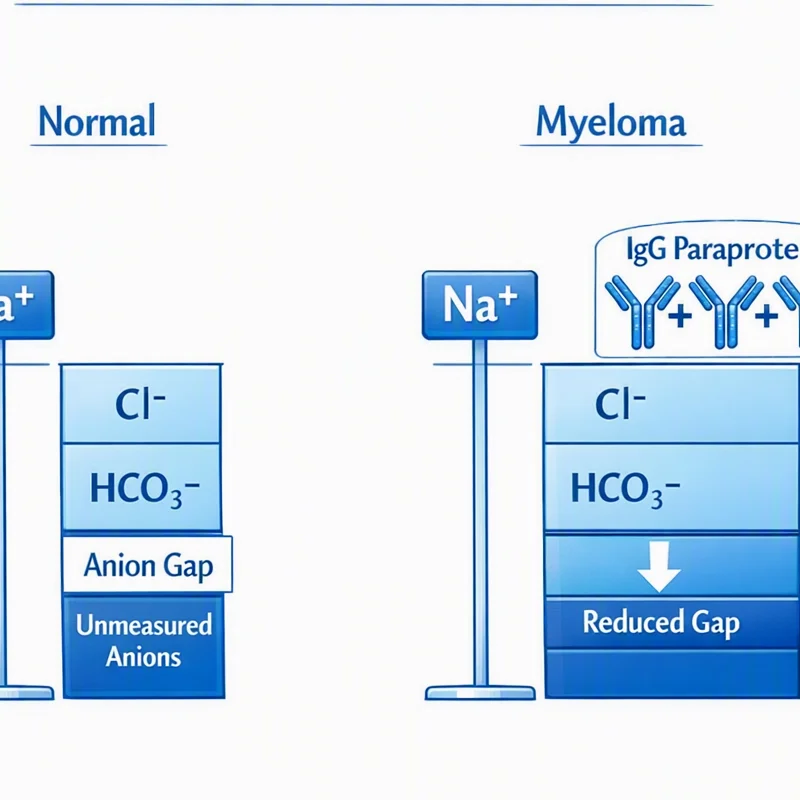
This formula follows the principle of electroneutrality. Since not all blood ions are directly measured, the anion gap estimates the gap between unmeasured anions and unmeasured cations. This is why it can be helpful in spotting certain causes of metabolic acidosis and other metabolic imbalances.
Albumin matters because it is a key unmeasured anion in the blood. If albumin is decreased, the measured anion gap may seem lower than expected. In that case, the raw calculation may miss the true gap, which is why some clinicians use a corrected anion gap.
Even though the math is straightforward, the interpretation is less direct. The number is best understood alongside other lab values, the reference interval used by the lab, and the patient’s overall acid-base balance.
How to Understand the Result
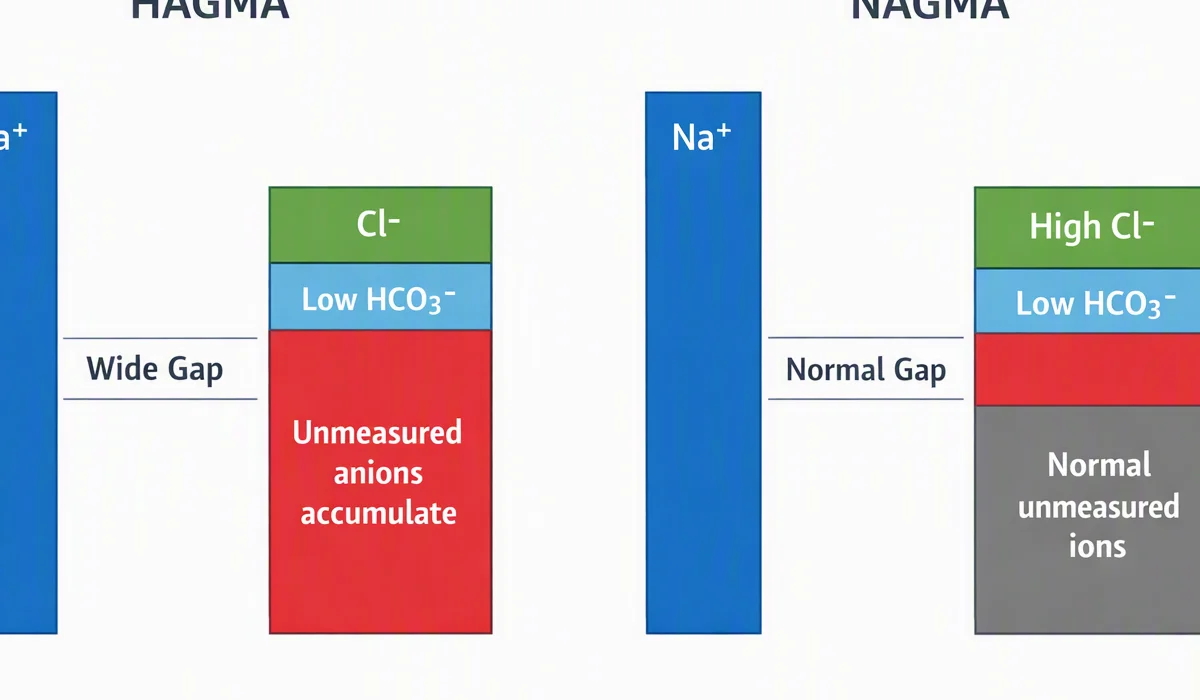
After the calculation is done, the next step is analysis. A normal anion gap usually suggests that the difference between measured cations and anions is inside the expected reference range. A high anion gap suggests extra unmeasured acids may be present and may point toward metabolic acidosis.
Interpretation varies with the lab’s reference range, because the normal interval can change somewhat by method and analyzer. In many cases, a result in the typical range is comforting, but it does not rule out all acid-base disorders. Likewise, a high value does not determine the exact cause on its own.
This is the practical way to think about the output:
- Normal anion gap: often seen when acid loss is balanced by chloride gain or when the underlying problem is not related to unmeasured acids.
- High anion gap: may suggest accumulation of acids and a more specific metabolic process.
- Result comparison: the number should be compared with serum albumin, bicarbonate, and the broader clinical picture.
Put simply, the calculator is a efficient screening tool, but interpretation is a diagnostic aid rather than a final answer. If the result suggests metabolic acidosis or another abnormal result, the next step is usually a medical review of the underlying cause.
Common Causes of a High Anion Gap
A high anion gap usually suggests excess acids in the body. This pattern is often seen in metabolic acidosis, where the bicarbonate concentration drops as it buffers acid. Several common causes should be reviewed during interpretation.
Lactic acidosis can occur when tissues do not get enough oxygen or when lactate production increases. This can happen in serious illness, poor circulation, or other metabolic stress. Because lactate is an unmeasured anion, it raises the gap.
Ketoacidosis is another common cause. It can happen with diabetes, prolonged fasting, or alcohol-related metabolic changes. Ketone bodies add to the acid load and widen the anion gap.
Renal failure can also cause a high result because the kidneys are less able to remove acids effectively. As acid accumulates, the anion gap may go up.
Toxic alcohols, including certain ingestions that produce harmful metabolites, are a classic cause of high-gap metabolic acidosis. These situations are medical emergencies and require immediate assessment.
Other possible causes exist, but these are among the most important to know when using an online calculator. A high result should always be reviewed in the context of symptoms, history, and other lab values.
Common Causes of a Normal Anion Gap
A normal anion gap does not indicate the entire body is normal, but it does suggest that the cause of acidosis, if present, may involve a separate mechanism. One frequent cause is diarrhea, which can lead to bicarbonate loss from the gastrointestinal tract. The body often adjusts with a chloride rise, so the gap remains within the reference interval.
Renal tubular acidosis is another important cause. In this condition, the kidneys do not process acid and bicarbonate properly, which can produce a normal anion gap metabolic acidosis pattern.
Bicarbonate loss from the gut or kidneys often results in this same pattern. The body may not accumulate extra unmeasured acids, so the anion gap remains in range even though acid-base balance is disturbed.
When the calculator returns a normal number, it is still important to review symptoms and the rest of the blood chemistry panel. A normal gap can coexist with a true acid-base disorder, especially if there is a mixed disturbance or a changing clinical picture.
When Should You Correct for Albumin
Albumin correction is important when hypoalbuminemia is present. Because serum albumin is a major unmeasured anion, reduced levels can decrease the measured anion gap and conceal a significant elevation. In that case, a corrected anion gap gives a more accurate estimate of the underlying acid-base state.
Several online calculators include an albumin adjustment field. If yours does, enter the serum albumin value exactly as reported by the lab. The calculator then uses an adjustment to the original result. This is especially helpful when the uncorrected number seems normal but the clinical context suggests metabolic acidosis or another abnormal result.
Albumin correction is not needed in every case. If albumin is normal and the result aligns with the rest of the labs, a corrected anion gap may offer little added value. But if albumin is low, the adjustment can reduce underestimation and support result interpretation.
For practical use, think of albumin correction as a fine-tuning step, not a separate diagnosis. It helps the calculation match the patient’s true metabolic state more closely.
Step by step: How to Use an Online Tool
Working with online anion gap calculator is straightforward if you use a reliable workflow. Start by collecting the lab values from the same exact blood chemistry panel. Verify the units and make sure you have the proper lab values before typing in anything.
Below is a simple stepwise process:
- Access the anion gap calculator.
- Locate the input fields for sodium, chloride, and bicarbonate.
- Enter potassium only if the calculator asks for it or includes it as an option.
- If available, enter serum albumin for an albumin correction.
- Confirm that the numbers match the report exactly.
- Perform the calculation and inspect the displayed result.
- Review the result with the calculator’s reference range or reference interval.
- Read the result interpretation if the tool provides one.
The ideal workflow is to slow down at the input stage. Most errors happen because a value was typed incorrectly, copied from the wrong report, or entered with the wrong concentration. A meticulous check improves the quality of the calculation and the usefulness of the interpretation.
If the calculator gives a result that appears unexpected, review the electrolyte inputs, the reference range, and the albumin value before drawing conclusions. This simple verification step can prevent unnecessary concern and support better clinical context.
Constraints and When to Request Medical Review
Although an online calculator is helpful, it has clear limitations. A single number cannot account for every clinical context, and the same result can mean different things depending on symptoms, medications, and other lab findings. The calculator is a screening tool, not a complete diagnosis.
Lab error is one reason to recheck an unexpected result. Mislabeled samples, collection issues, or transcription mistakes can all affect the calculation. If the result does not fit the patient’s status or the surrounding labs, repeating the test may be appropriate.
The more general acid-base disorder picture also is important. A person may have a combined disorder where the anion gap seems normal even though another problem is there. Similarly, a high result may need more than one follow-up test to identify the reason. That is why the calculator should be used as part of a more comprehensive interpretive workflow.
Get medical review if the result is highly abnormal, if there are symptoms such as vomiting, confusion, rapid breathing, or severe illness, or if there is concern for conditions like toxic alcohol exposure, ketoacidosis, renal failure, or lactic acidosis. The calculator can suggest a problem, but a clinician is needed to assess the full picture and decide on next steps.
FAQs About the Anion Gap Calculator
What values do I need for an anion gap calculator?
You usually need to have sodium, chloride, and bicarbonate. Some calculators also include potassium. If the tool includes albumin correction, you may also need serum albumin. Use values from the identical blood chemistry panel whenever possible.
How is the anion gap calculated online?
An online anion gap calculator relies on a formula based on electrolyte concentrations. The most common version is sodium minus chloride minus bicarbonate. Some calculators include potassium, and some also provide albumin correction for a more reliable corrected anion gap.
What is a normal anion gap result?
A normal anion gap result falls within the calculator’s or lab’s reference https://blogfreely.net/budolfwboy/anion-gap-calculator-with-albumin-correction range. The exact normal range can differ by method and reference interval, so always compare the number to the range shown by the tool or on the laboratory report.
Why would I need to correct the anion gap for albumin?
Albumin is a major unmeasured anion. If serum albumin is low, the measured anion gap may seem falsely normal or low. Correcting for hypoalbuminemia can expose a more accurate corrected anion gap and improve interpretation.

What does a high anion gap mean?
A high anion gap often indicates metabolic acidosis from extra unmeasured acids. Common causes include lactic acidosis, ketoacidosis, renal failure, and toxic alcohols. The result should always be read in clinical context and reviewed by a clinician when abnormal.