Can Diarrhea Affect the Anion Gap?
What the anion gap shows
The anion gap is a derived measure that aids in reading electrolytes on a blood test, usually from a basic metabolic panel or expanded metabolic panel. It contrasts the main positively charged particles, especially sodium, against the main negatively charged ions, especially chloride and bicarbonate-related ions. This gap calculation is important because it can reveal whether there is an unexpected acid-base disorder affecting the body.
Clinically, the anion gap value is a screening tool rather than a diagnosis. It helps detect whether an apparent metabolic acidosis is due to loss of bicarbonate, addition of acid, or another process that shifts electrolyte levels. In simple terms, if sodium is much higher than chloride and bicarbonate would predict, the difference can suggest unmeasured ions, which is why the result has clinical significance.
Most clinicians use the anion gap to guide lab interpretation of an acid-base problem. It is especially valuable when assessing serum bicarbonate, chloride concentration, and the overall acid-base balance. A normal normal range changes by lab method, but the key point is not the exact number alone. The pattern matters: low bicarbonate with a normal gap often points in one direction, while low bicarbonate with a high gap points to something else entirely.
Can loose stools affect the anion gap?
Absolutely, diarrhea can alter the anion gap, but it most often does so indirectly by lowering bicarbonate. When the gut removes bicarbonate-rich fluid through stool losses, the body can develop a normal anion gap metabolic acidosis. In that setting, the anion gap may remain normal because the main issue is base loss rather than increase of unmeasured acid.
The usual pattern is a decrease in bicarbonate with a matching rise in chloride, while the anion gap remains at or near the expected normal range. This is why diarrhea is a well-known cause of gastrointestinal losses leading to decreased bicarbonate. The result is often a distinct acid-base pattern on lab testing, https://rentry.co/aasdpkvc especially when paired with signs of fluid loss or ongoing GI illness.
That said, not all cases behaves exactly the same. The severity of diarrhea, the duration of illness, the person’s hydration status, and any underlying illness can shift the pattern. A patient with prolonged diarrhea may develop several acid-base problem at the same time, so the final result should be evaluated with the full clinical picture and not just the anion gap calculator output.
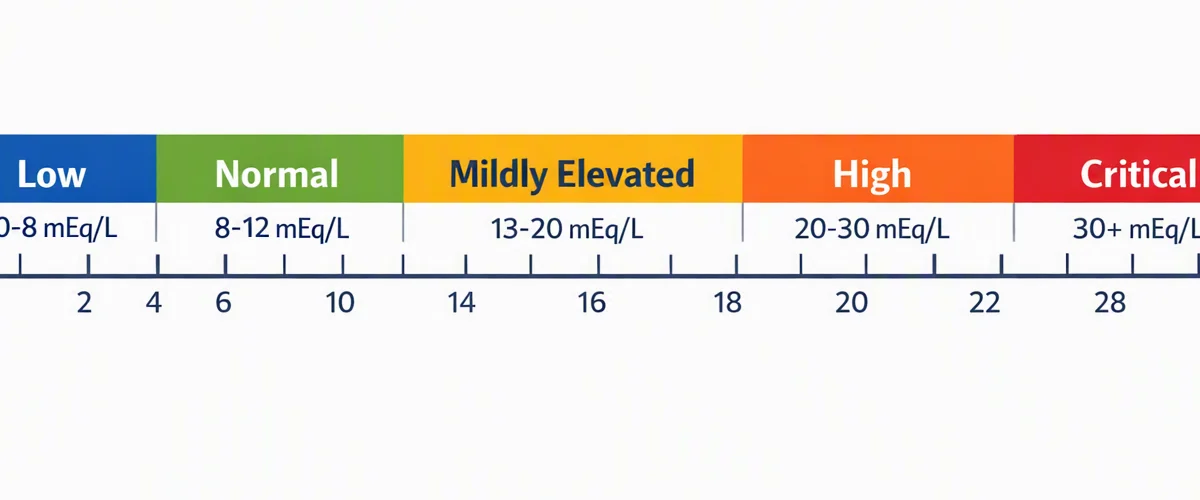
Why diarrhea commonly results in a non-gap acidosis
Diarrhea often causes a hyperchloremic metabolic acidosis, which is also called a metabolic acidosis with a normal anion gap. The main mechanism is bicarbonate loss in the stool. When bicarbonate drops, the body tends to preserve electrical neutrality by increasing chloride conservation. That shift keeps the anion gap from rising much, even though the person is still acidotic.
This finding reflects the body’s acid-base regulation. Bicarbonate is a major buffer, so when it is lost, the pH can fall. Because chloride rises in a roughly reciprocal way, the overall calculated gap does not necessarily change much. The lab picture can look like reduced bicarbonate with elevated chloride, with the anion gap remaining normal or only mildly altered.
In clinical practice, this is a helpful clue. If diarrhea is the main issue, the lab pattern often matches a normal-gap acidosis rather than a high-gap problem. More simply, the blood chemistry tends to point toward direct bicarbonate loss instead of excess acid generation. This distinction matters because it guides treatment and helps avoid missing a different cause of acidosis.
It is also important to remember that blood bicarbonate and chloride are not the only numbers that matter. The overall electrolyte values, kidney handling of acids and bases, and the degree of fluid loss can all affect the final result. That is why diarrhea is usually associated with a normal gap pattern, but not always a perfectly textbook one.
When does diarrhea is linked to a high anion gap
While diarrhea often causes a non-gap acidosis, it can occasionally be associated with high anion gap metabolic acidosis. This usually happens not because the diarrhea itself directly raises the gap, but because it contributes to another process that does. For instance, ongoing fluid loss can lead to dehydration and poor tissue perfusion, which may trigger lactic acidosis.
Serious illness with significant dehydration can reduce blood flow to tissues and organs. If cells do not get enough oxygen or perfusion, they may produce more lactate, and lactate acts as an unmeasured acid that increases the anion gap. In this setting, diarrhea is part of the story, but lactic acidosis is the reason the gap rises.
Kidney injury is another important link. If fluid loss becomes substantial, the kidneys may not clear acids effectively. Reduced renal function can allow acids to accumulate, creating a high-gap pattern. This is especially concerning when diarrhea is prolonged, severe, or accompanied by low blood pressure or marked volume depletion.
Ketones can likewise contribute. If a person is not eating well during a gastrointestinal illness, the body may break down fat for fuel, leading to ketone production. Ketones are unmeasured anions and can increase the gap. This is more likely when diarrhea is combined with fasting, poor intake, vomiting, diabetes, or other stressors.
Thus while diarrhea itself usually causes a non-gap acidosis, it can be part of a broader picture that includes high-gap causes. That is why, a single number should never be read in isolation. The pattern on the metabolic panel, the patient’s symptoms, and the clinical context all matter.
How to apply an Anion Gap Calculator
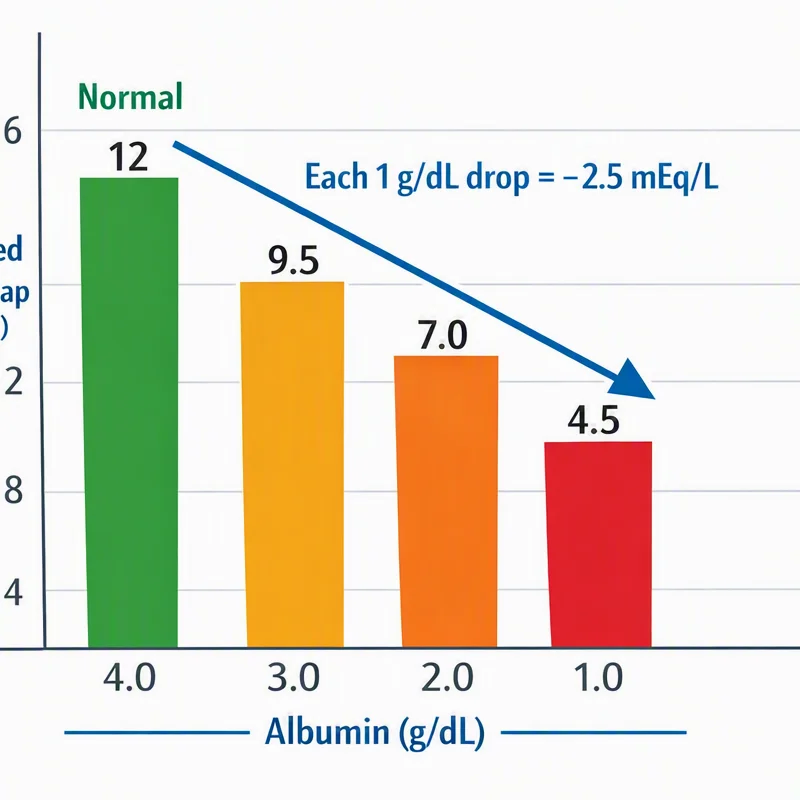
An anion gap calculator is a useful way to apply the gap calculation to everyday lab values. It commonly uses the numbers from a basic metabolic panel, especially sodium, chloride, and bicarbonate. Some calculators also include albumin, which is important because low albumin can lower the measured gap and hide an acid-base problem.
The basic idea is straightforward: enter the lab values, and the tool calculates the anion gap value. If the gap seems normal but the patient has obvious acidosis, the next step may be to calculate a corrected anion gap. This correction adjusts for serum albumin, since albumin is a major unmeasured anion. A low albumin level can make the raw result look falsely reassuring.
A corrected result gives a more accurate corrected value and improves lab interpretation. For example, a patient with diarrhea and low albumin may actually have a higher true gap than the uncorrected number suggests. In that case, the calculator is not just a convenience; it is a better diagnostic clue.
When using an anion gap calculator, it helps to review the entire metabolic panel, not just the final output. Look at bicarbonate, chloride, sodium, creatinine, and albumin together. That combination often reveals whether the pattern is consistent with simple stool-related bicarbonate loss or whether a second process is present. The calculator is best used as a screening tool that supports, rather than replaces, medical judgment.
Additional causes of a decreased or elevated anion gap
Not all atypical gap is caused by diarrhea. A low gap can occur with hypoalbuminemia, because albumin is a key unmeasured anion. When albumin drops, the measured gap may appear reduced than expected. That is one reason the corrected anion gap is so useful in real-world lab interpretation.
Some blood disorders, including multiple myeloma, can also affect the anion gap. Abnormal proteins in the blood may alter the calculation and create a inaccurate result. In these cases, the gap is a clue, not the diagnosis itself, and the overall clinical picture is essential.
Toxins are another cause of a elevated gap. Certain ingestions can increase unmeasured acids or otherwise disturb acid-base balance. If the gap is unexpectedly elevated, especially with neurologic symptoms, clinician concern may shift toward a toxic exposure rather than a simple gastrointestinal illness.
Lab error should also be considered. Sample issues, analyzer variation, or transcription mistakes can produce a inaccurate result. If the number does not fit the clinical picture, repeating the blood test can be necessary. A single abnormal value should always be checked against the patient’s symptoms, history, and the rest of the electrolytes.
These possibilities show why the anion gap is best understood as part of a larger assessment. The result is most helpful when paired with bicarbonate, chloride, sodium, albumin, and the patient’s overall condition. That broader approach prevents overcalling diarrhea as the cause when the real issue is something else entirely.
When to get medical attention
A medical assessment is crucial if diarrhea is intense, persistent, or accompanied by warning signs. Severe diarrhea can lead to significant fluid loss and worsen electrolyte imbalance. When the body loses too much water and base, the risk of acid-base disturbance goes up, and the person may need testing and treatment.
Look for signs of dehydration such as dizziness, very dark urine, dry mouth, weakness, reduced urination, or fast heart rate. These symptoms can indicate dangerous volume depletion. In that setting, the diarrhea may be contributing to a more serious acid-base problem, including metabolic acidosis.
Confusion, severe fatigue, fainting, rapid breathing, or worsening weakness are highly concerning. These can reflect poor perfusion, worsening acidosis, or major shifts in electrolyte levels. If a blood test shows a markedly abnormal anion gap alongside these symptoms, prompt assessment is needed.
If diarrhea is accompanied by kidney problems, diabetes, very poor intake, or possible toxin exposure, the threshold for care should be even lower. Those factors can boost the chance of high anion gap metabolic acidosis or other serious disturbances. A clinician may order repeat labs, a full basic metabolic panel, and additional testing to clarify the cause.
FAQ
Does diarrhea lower the anion gap?
Diarrhea usually does not immediately reduce the anion gap, but it can cause a regular anion gap metabolic acidosis with a decreased bicarbonate level. If hypoalbuminemia is present, the measured gap can look lower than expected, which is why albumin and the corrected anion gap matter.
How does diarrhea usually cause a normal anion gap metabolic acidosis?
Diarrhea causes reduction of bicarbonate through stool losses. The body often responds by increasing chloride, which leads to hyperchloremic metabolic acidosis. Because the missing bicarbonate is replaced by chloride, the anion gap often stays normal.
Can severe diarrhea ever cause a high anion gap?
Yes. Severe diarrhea can lead to dehydration, kidney injury, poor perfusion, lactic acidosis, or ketones from poor intake. Those conditions can produce high anion gap metabolic acidosis, even if the initial trigger was gastrointestinal loss.
How do I use an Anion Gap Calculator with albumin?
Enter the values from the basic metabolic panel, including sodium, chloride, and bicarbonate, then add albumin if the tool allows it. The anion gap calculator can then estimate a corrected anion gap, which improves interpretation when serum albumin is low.
When should I be concerned about an abnormal anion gap with diarrhea?
Seek medical attention if diarrhea is intense or persistent, or if there are signs of dehydration, confusion, weakness, rapid breathing, or other signs of electrolyte imbalance. An abnormal anion gap with diarrhea can mean simple bicarbonate loss, but it can also point to a separate problem that needs a blood test and medical evaluation.